 |
||||||||||||||||||||||||||||||||||||
 |
||||||||||||||||||||||||||||||||||||
|
||||||||||||||||||||||||||||||||||||









 |
|
|
Photo Credits: Giulio Tami |
 |
|
|
|
|
|
| South Africa, Thailand, Germany, USA, South Australia | |
|
|
|
|
|
|
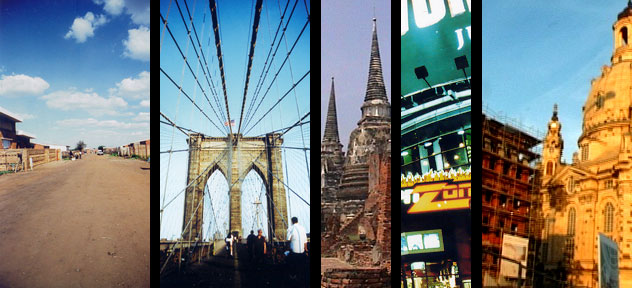
| Five locations have been chosen for their symbolic connection to an historical event. The specific selection of musicians of these countries creates a strong dramaturgical statement. | |||
|
|||
|
|||
| SHARPEVILLE, South Africa | |||
|
|
||
|
|||
| In 1960, during a non-violent demonstration, the police killed 69 coloured people, including women and children, and wounded approximately 180. The date of this massacre is now know as the UN Human Rights Day for Africa, and was chosen by Nelson Mandela to mark the signing of the new South African Constitution, becoming also a symbol for the present Reconciliation process. | 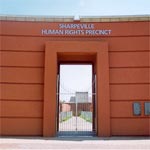 Photo Credits: Giulio Tami |
||
|
|||
|
|||
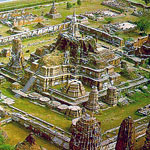
| AYUTTHAYA, Thailand | |||
|
|
||
|
|||
| The ancient capital of the Siamese Kingdom, site of the most beautiful city in the world (with approximately one million inhabitants in 1700), was attacked and conquered in 1767 by the Burmese. It was re-conquered by the Siamese, lost again and again re-conquered. The city at that point was so damaged that the Siamese had to relocate the capital to Bangkok. The ruins of Ayutthaya are now a fascinating open air museum. |
 |
||
|
|||
|
|||
| DRESDEN, Germany | |||
|
|
||
|
|||
| In February 1945 World War II was almost over; nevertheless, the “German Florence” was bombed to the ground by the Allied Forces. The attack killed more than 20,000 people and completely destroyed the town. Since then, a sometimes misused debate about the justification of such an attack has ensued. | 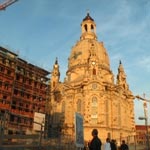 Photo Credits: Giulio Tami |
||
|
|||
|
|||
| NEW YORK, USA | |||
|
|
||
|
|||
| The terrorist attack which destroyed the Twin Towers on September 11, 2001 has become a globally recognized catastrophe, with resonance of international impact, whose emotional and symbolic meaning reaches far beyond the event as such. | 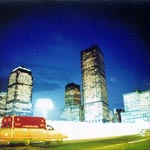 Photo Credits: Giulio Tami |
||
|
|||
|
|||
| WALLATINA, South Australia | |||
|
|
||
|
|||
As part of the British atomic weapons testing program (1953-57), the arid rangelands of Maralinga, South Australia were subject to the detonation of nine major nuclear bombs, and 700 “Minor Trials”. |
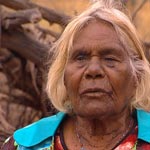 Photo Credits: Abyss Pictures |
||